


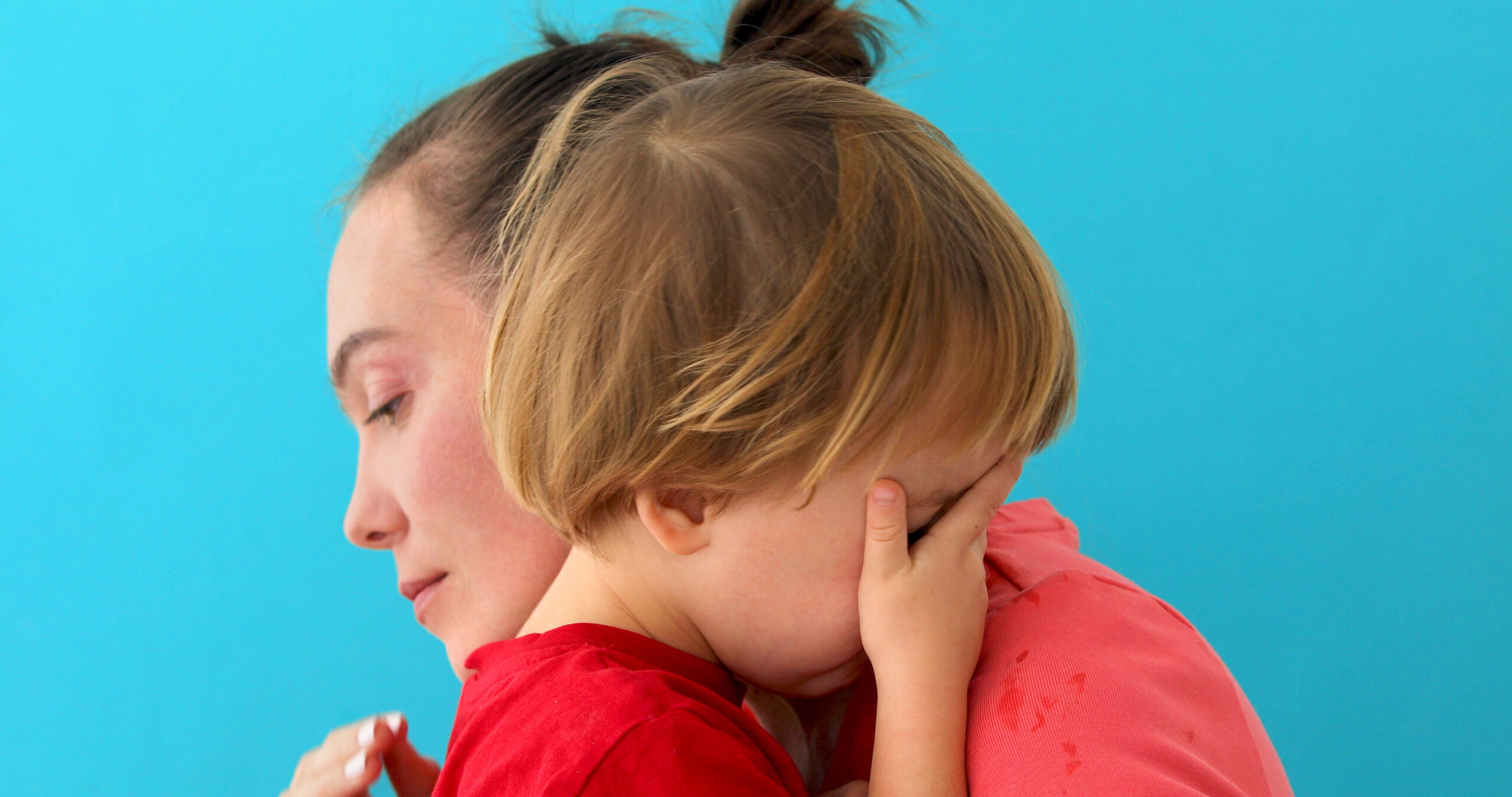
Handling Separation Anxiety in Toddlers: From Tears to Confidence
Handling Separation Anxiety in Toddlers: From Tears to Confidence
Separation anxiety is a natural and common part of toddler development, though it can be difficult for both your toddler and you. Understanding how to support your toddler through this time can help transform moments of distress into opportunities for emotional growth. Here are some evidence-based strategies to help your toddler—and you—during this phase.
Supporting Your Toddler Through Separations
Build Trust Through Predictability:
Toddlers feel most secure when they know what to expect. Here are a few strategies to make separations easier:
- Simple Routines: Create a short and consistent goodbye ritual, such as:
- A special wave.
- A quick hug and kiss.
- A reassuring phrase like “See you after lunch!”
- Practice Brief Separations: Help your toddler learn that you’ll always return.
- Play peek-a-boo.
- Step into another room briefly.
- Always come back when you say you will.
Daycare and Nursery Success:
- Before Drop-Off:
- Talk about the day ahead (“After breakfast, we’ll go to nursery to see Ms. Sara”).
- Pack a familiar comfort item like a favorite toy or blanket.
- Allow extra time to avoid rushing, which will help your toddler transition calmly.
- During Goodbyes:
- Keep goodbyes short and positive.
- Hand your toddler to a familiar caregiver.
- Never sneak away—this can increase anxiety.
- Stay calm, even if your toddler is upset.
Making Bedtime Easier
Bedtime separations can be smoother if you:
- Start winding down early with calming activities.
- Follow the same steps each night, like a bath, pajamas, and a story.
- Use a nightlight or other soothing elements if needed.
- Stay within hearing distance initially, returning briefly to check in if necessary.
Help Your Toddler Feel Connected
Even when apart, helping your toddler feel connected can provide comfort:
- Provide Familiar Objects: A favorite toy, blanket, or comfort item.
- Talk About Familiar People: Share stories about family members they love.
- Use Visual Cues: Create a simple picture schedule of their day to help them anticipate your return.
Common Parent Concerns
- “My toddler was fine before. Why are they suddenly clingy?”
- Separation anxiety can peak between 18 months and 2 years and may resurface with changes like:
- The arrival of a new sibling.
- Moving to a new home.
- Starting daycare or nursery.
- Changes in routines.
- Separation anxiety can peak between 18 months and 2 years and may resurface with changes like:
- “Will my anxiety make theirs worse?”
- Toddlers are sensitive to your emotions.
- Acknowledge your own feelings, stay calm and confident during separations, and trust your childcare providers.
- Remind yourself that this phase is temporary.
When to Seek Support
Separation anxiety is normal, but additional support may be needed if:
- Your toddler shows extreme distress daily.
- They’re unable to be consoled by others.
- The anxiety disrupts normal activities like eating, playing, or sleeping.
- You’re feeling overwhelmed and unsure how to help.
Moving Forward
- Separation anxiety is a normal developmental stage.
- Your toddler’s reactions show healthy attachment.
- Consistency and patience make a difference.
- Small steps lead to big confidence over time.

By Numuw


You're not Alone, Let us Help!
Numuw is the MENA region's first child and adolescent therapy delivery platform. With over 20 years of experience, our dynamic team provides expert care for your child and support for you.
Subscribe to Our Newsletters